Korea Medical Tourism Visa & Entry Guide 2026
How to enter Korea for medical treatment in 2026: visa-free entry and K-ETA, the C-3-3 medical tourism visa, documents your clinic provides, stay planning for dental work (7–14 days), insurance, and arrival tips for Incheon and Gangnam.
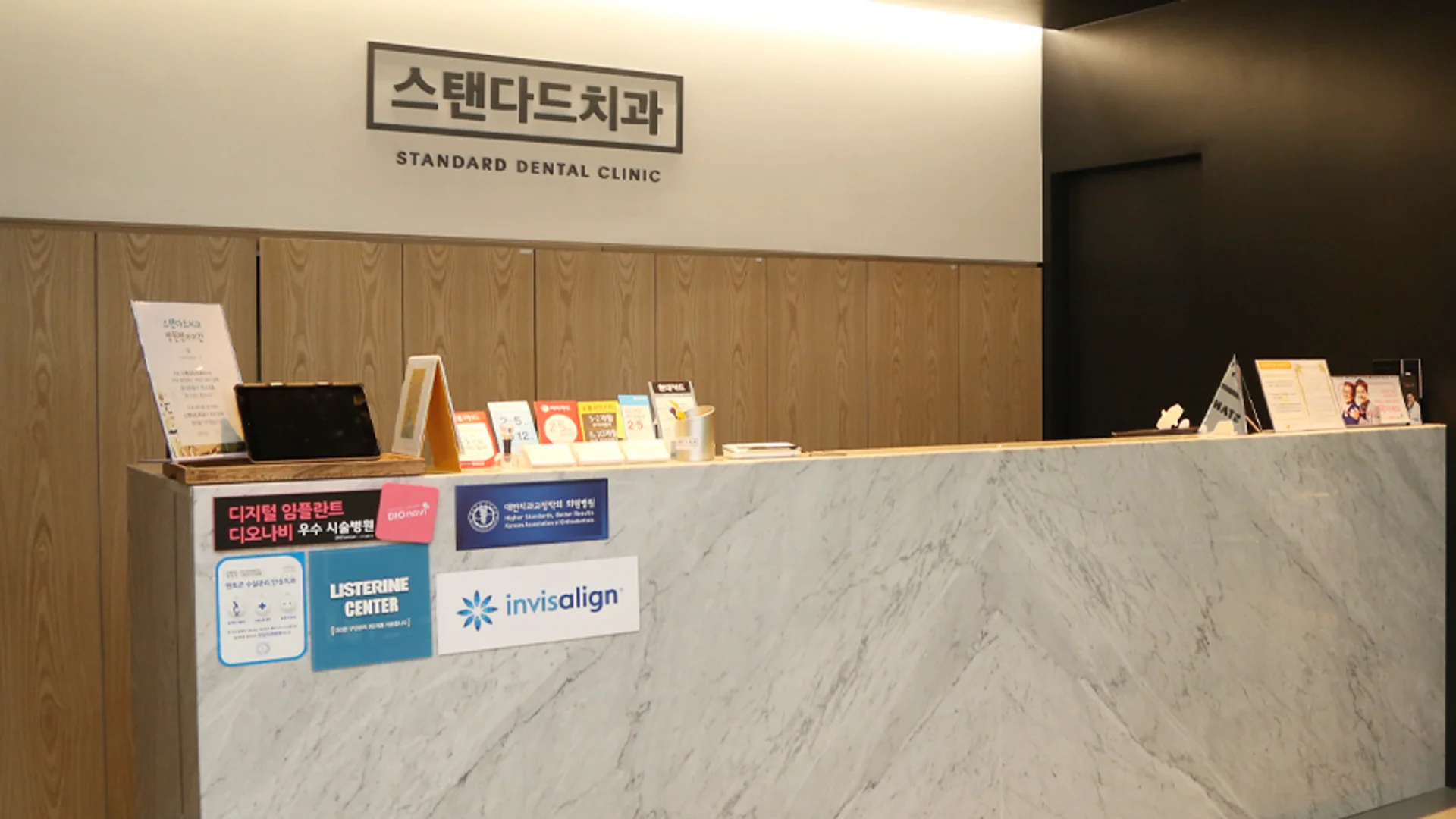
South Korea is one of the easiest countries in Asia to enter for medical treatment — most Western passport holders can arrive visa-free, and the government actively supports medical tourists with a dedicated visa category and clinic-side assistance. This guide walks through entry options, paperwork, and practical logistics for a 2026 treatment trip.
Visa-Free Entry and K-ETA
Citizens of over 110 countries — including the US, UK, EU member states, Canada, Australia, and most of Southeast Asia — can enter Korea visa-free for short stays, typically 30 to 90 days depending on nationality. Most visa-free travelers need a K-ETA (Korea Electronic Travel Authorization) before boarding: it costs ₩10,000 (about $7–8), is applied for online, and is usually approved within 24–72 hours. Once issued, a K-ETA is valid for three years and multiple entries, so repeat visits for follow-up treatment need no new application. Check the official K-ETA site (k-eta.go.kr) before booking, as temporary exemption lists for certain nationalities are revised periodically.
Russian citizens should verify current entry rules carefully — visa-free arrangements for Russian passport holders have changed in recent years, and many now require a visa or K-ETA-eligible status depending on bilateral agreements in force in 2026. Chinese citizens generally require a visa for individual tourism, though Jeju Island maintains a separate visa-free policy; for medical treatment on the mainland, the C-3-3 visa described below is the standard route.
The C-3-3 Medical Tourism Visa
For longer treatments, repeat visits, or nationalities without visa-free access, Korea offers the C-3-3 medical tourist visa, valid for stays of up to 90 days. It is designed specifically for patients (and an accompanying caregiver, who applies for a G-1 companion visa) receiving treatment at registered Korean medical institutions. Applications go through the Korean embassy or consulate in your country, and processing typically takes 5–15 business days. A key advantage: only clinics and facilitators registered with the Ministry of Health and Welfare's Medical Korea program can sponsor the paperwork, which adds a layer of consumer protection.
Documents Your Clinic Will Provide
Registered clinics supporting medical tourists routinely issue the paperwork needed for both visa applications and smooth immigration clearance:
- Appointment confirmation letter stating your name, passport number, treatment plan, and scheduled dates.
- Estimated treatment plan and cost quotation — useful for both the visa application and travel insurance.
- Proof of the clinic's medical-tourism registration (for C-3-3 sponsorship).
- Invitation letter for patients requiring a visa, sometimes notarized depending on the consulate.
Carry printed copies in your hand luggage: immigration officers at Incheon occasionally ask arriving medical tourists to show their appointment confirmation and accommodation details.
Planning Your Stay: How Long for Dental Work?
The most common question clinics receive is how many days to book. Realistic 2026 planning benchmarks for Seoul:
- Dental implants (1–2 implants): 7–10 days for the placement stage, including a check-up and suture removal; the crown stage after osseointegration requires a second trip of 3–5 days, usually 3–6 months later.
- Immediate-load / same-day implants: 5–7 days can cover surgery plus a provisional crown at digitally equipped clinics.
- Veneers (6–8 teeth): 5–7 days — two to three appointments including preparation, fitting, and final bonding.
- Full smile makeovers or combined treatments: 10–14 days with buffer days for adjustments.
Build in one or two rest days after surgical appointments before flying — most oral surgeons recommend avoiding flights within 24–48 hours of implant placement.
Insurance Considerations
Standard travel insurance rarely covers planned medical treatment abroad, but it remains essential for everything else: flight cancellations, lost luggage, and unrelated illness or injury during your trip. For the treatment itself, consider:
- Medical travel complication insurance: specialized policies cover corrective care if a procedure develops complications after you return home; premiums for a dental trip typically run $50–150.
- Clinic warranties: reputable Korean clinics offer written warranties on implants and prosthetics (commonly 1–5 years); get the terms in English before you pay.
- Payment documentation: keep itemized receipts — some home-country insurers and tax systems allow partial reimbursement or deduction of overseas medical expenses.
Arrival Tips: Incheon Airport to Gangnam
Most international flights land at Incheon International Airport (ICN), roughly 60–70 km west of Gangnam. Your options:
- Airport limousine bus: the most convenient door-to-door option for Gangnam, COEX, and Apgujeong — about ₩17,000–₩18,000, 70–90 minutes depending on traffic. Buses depart every 15–30 minutes.
- AREX express train: 43 minutes nonstop to Seoul Station (₩11,000), then transfer to subway Line 2 or a short taxi ride south to Gangnam.
- Taxi: ₩70,000–₩100,000 to Gangnam, 60–90 minutes; international taxi desks in the arrivals hall offer fixed fares and English-speaking dispatch.
Pick up a T-money transit card and a local SIM or eSIM at the airport convenience stores — both make clinic-hopping across the city far easier. Booking accommodation within a 10–15 minute radius of your clinic is the single best quality-of-life decision for a treatment trip, especially when you have morning-after check-ups.