Zirconia Crowns in Korea: Same-Day CAD/CAM Dentistry
Zirconia crowns in Korea cost $300–600 per tooth vs $1,000–2,000 in the US. Many Seoul clinics mill and fit crowns the same day with in-house CAD/CAM — ideal for dental tourists.
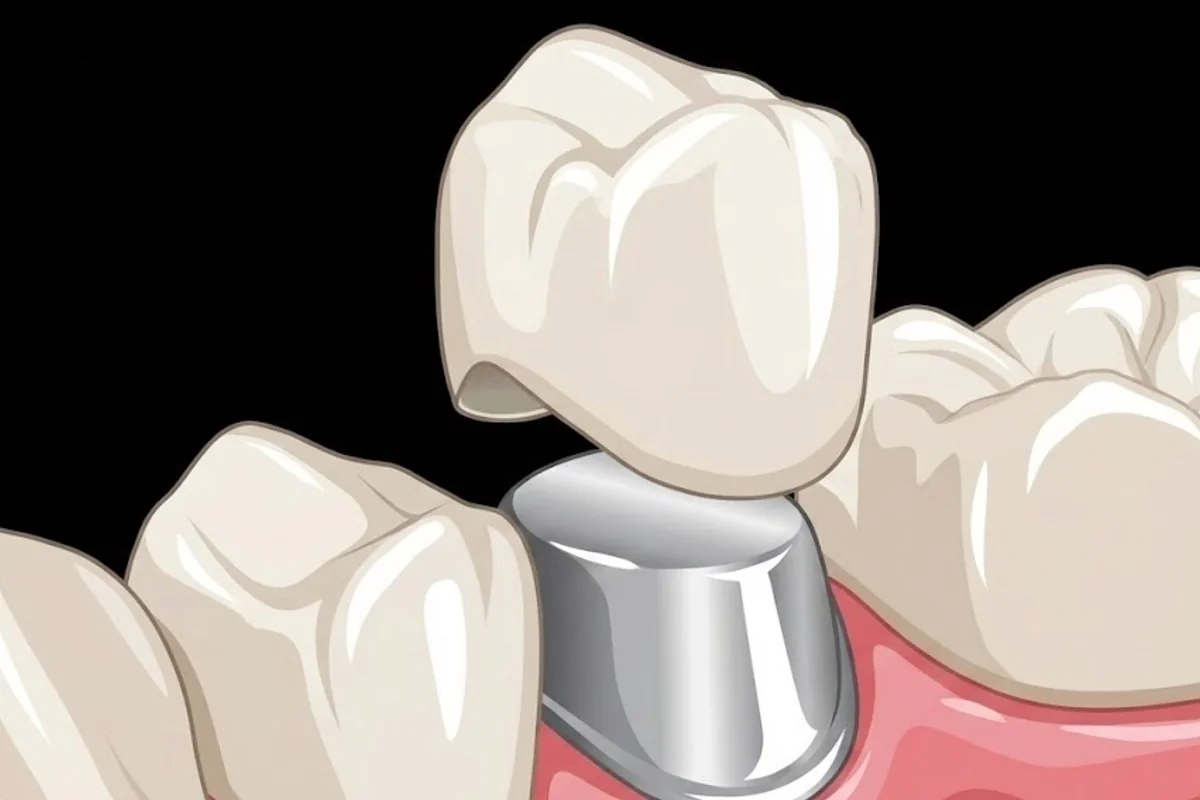
Zirconia crowns have become the default choice for restoring damaged or root-canal-treated teeth, and Korea is one of the best places in the world to get them. At $300–600 per crown versus $1,000–2,000 in the US — combined with same-day CAD/CAM milling that compresses treatment into a single visit — Seoul clinics offer dental tourists an unbeatable mix of price, speed, and quality.
What Are Zirconia Crowns?
Zirconia (zirconium dioxide) is a ceramic material with metal-like strength — flexural strength of 900–1,200 MPa, roughly three times that of traditional porcelain. A zirconia crown is milled from a solid block of this material, making it virtually fracture-proof under normal chewing forces. Modern multilayer zirconia also replicates the color gradient of natural teeth, so strength no longer comes at the expense of aesthetics.
Why Same-Day CAD/CAM Matters for Tourists
Traditional crown treatment requires two visits 1–2 weeks apart while an external lab fabricates the crown. Korean clinics with in-house CAD/CAM systems (CEREC, inLab, or domestic milling units) follow a compressed workflow:
- Morning — preparation and scanning: The tooth is prepared and scanned with an intraoral 3D scanner in minutes.
- Midday — design and milling: The crown is designed digitally and milled from a zirconia block in about 30–60 minutes, then sintered and glazed.
- Afternoon — fitting: The finished crown is tried in, adjusted, and permanently cemented the same day.
For a medical tourist, this means a crown case that takes two weeks elsewhere can be completed in one day, or 2–3 days for multiple crowns requiring layered aesthetics.
Zirconia vs. PFM vs. E-max
- Zirconia: $300–600 in Korea. Maximum strength, ideal for molars and bridges, good-to-excellent aesthetics with multilayer blocks. Metal-free and biocompatible.
- PFM (porcelain-fused-to-metal): $200–400 in Korea. Proven and cheap, but the metal substructure can show a gray line at the gum and porcelain can chip. Largely being phased out in premium Korean clinics.
- E-max (lithium disilicate): $350–700 in Korea. The best aesthetics and translucency — the top choice for front teeth — but less strong than zirconia, so less suitable for molars and long bridges.
A common Korean treatment plan combines both: E-max for the front six teeth, zirconia for premolars and molars.
Cost Comparison
- Korea: $300–600 per zirconia crown
- United States: $1,000–2,000
- United Kingdom: £600–1,100
- Australia: AU$1,200–2,200
A patient needing 6 crowns would typically pay $1,800–3,600 in Seoul versus $6,000–12,000 in the US — savings that comfortably cover the trip.
Durability and Aftercare
Zirconia crowns have outstanding longevity: clinical studies show survival rates above 95% at 10 years. They resist chipping, cracking, and wear, and cause minimal wear on opposing teeth when properly polished. Care is the same as for natural teeth — brushing, flossing, and a night guard if you grind. Korean clinics typically offer warranties of 2–5 years on crowns; ask for the warranty terms in writing.
Timeline for Medical Tourists
- Single crown, same-day CAD/CAM: 1 day, 1–2 visits.
- 2–6 crowns: 2–4 days, including a try-in and final cementation.
- Full-mouth rehabilitation (12+ crowns): 5–10 days, often split into preparation and fitting phases.
- Crown after root canal treatment: add 1–3 days for the endodontic work, which Korean clinics also perform under microscope guidance.
Who Needs a Zirconia Crown?
Crowns are indicated for teeth with large failing fillings, cracks, root-canal-treated teeth, severe wear, or as the visible part of a dental implant. If your tooth structure is largely intact, more conservative options (onlays, veneers) may be better — a trustworthy clinic will tell you. Bring recent X-rays to your consultation to speed up diagnosis.