
Seoul Dental Clinics Adopt AI Diagnostics at Scale
What began as pilot programs two years ago is now the default: AI-assisted diagnostics are built into the daily workflow of Seoul's leading dental clinics, from first X-ray to final implant placement.
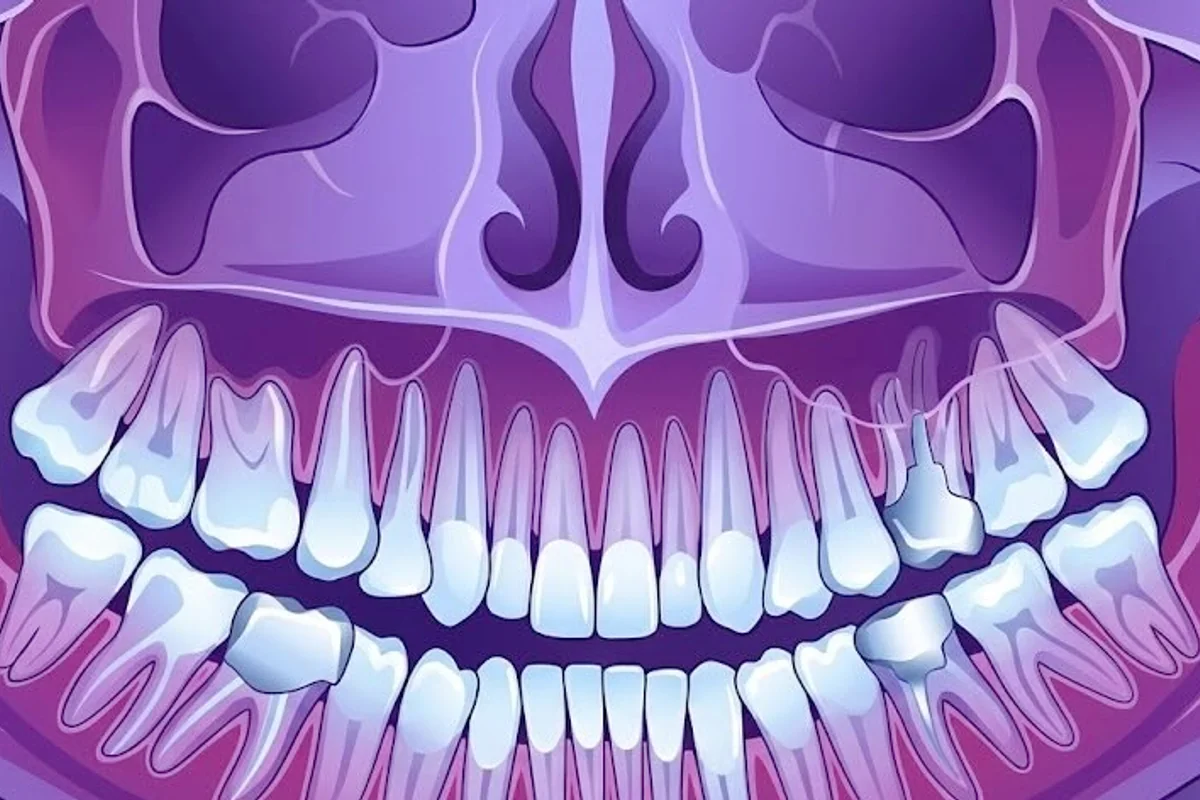
From Pilot to Standard Practice
In 2026, AI diagnostic software has crossed the threshold from novelty to infrastructure at Seoul's major dental clinics. A majority of clinics in the Gangnam and Sincheon medical districts now run every panoramic X-ray and CBCT scan through AI analysis before a dentist ever reviews it — flagging early-stage cavities, bone loss, and anatomical risks in seconds.
What the AI Actually Does
Cavity & Pathology Detection
Trained on millions of annotated images, detection models highlight suspected cavities, cracks, and lesions directly on the scan, giving dentists a second set of eyes on every image.
- • Early-stage cavity flagging
- • Periapical lesion detection
- • Consistent, fatigue-free review
- • Visual reports patients can understand
Implant Planning & 3D CBCT Analysis
For implants, AI maps nerve canals, sinus boundaries, and bone density from CBCT scans, then proposes optimal implant positions and angles for the surgeon to refine.
- • Automatic nerve and sinus mapping
- • Bone density measurement
- • Guided-surgery template design
- • Full plan in a single visit
What Patients Experience
For patients, the change is visible from the first appointment. A typical first visit now looks like this:
- 1.A 3D CBCT scan and digital impressions are taken — about 15 minutes, no messy molds
- 2.AI analysis runs instantly and the dentist walks you through color-coded findings on a large screen, with English reports
- 3.A complete, itemized treatment plan — often with a 3D preview of the expected result — is ready the same day
- 4.Surgical guides and crowns are designed digitally and fabricated in-house, often overnight
Why It Shortens Treatment for Visitors
Fewer Appointments
Because diagnosis, planning, and guide fabrication happen in hours rather than weeks, treatments that once required three or four visits can often be compressed into one or two — a decisive advantage for patients flying in for a week or less.
More Predictable Outcomes
AI-guided implant placement and pre-visualized cosmetic results reduce surprises and revision work, so international patients can plan their return flight — and their budget — with confidence.
What's Next
Clinics are already piloting the next wave: AI monitoring of healing progress through smartphone photos for patients who have returned home, and predictive models that estimate long-term implant success from scan data. For medical travelers, the gap between flying home and finishing care keeps getting smaller.